How to Sell Land With Wetlands
Selling land with wetlands can feel challenging, especially if buyers are unsure about environmental rules or land use limits. Wetlands are protected in many areas of the United States, which can affect how the land can be developed. Even so, land with wetlands can still be sold successfully when handled the right way.
By understanding wetland regulations, preparing the right documents, and marketing the property properly, you can attract the right buyers and close a smooth sale.
Understanding What Wetlands Are
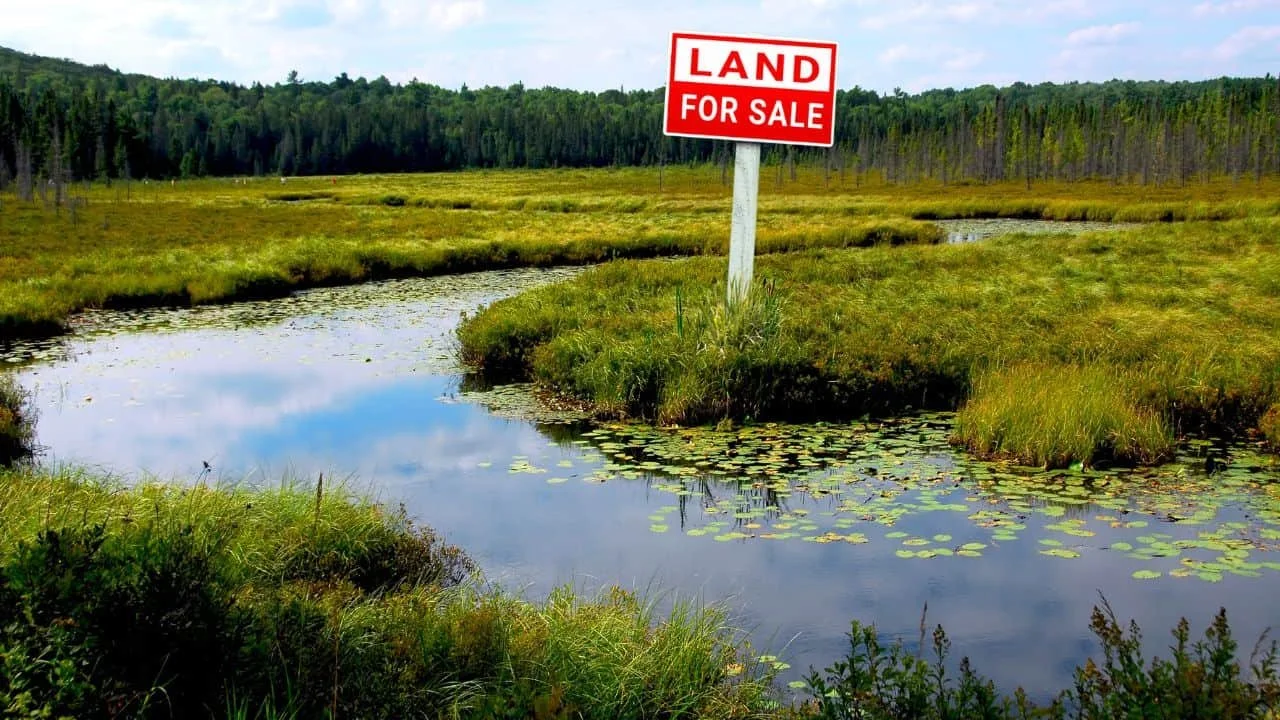
Wetlands are areas where water is present either permanently or seasonally. Common examples include marshes, swamps, bogs, and floodplains. These areas play an important role in protecting water quality and supporting wildlife.
Because of their environmental value, wetlands are often regulated by federal, state, and local agencies. These rules may limit construction or require permits for certain activities. Knowing how wetlands affect your land helps you explain the property clearly to buyers.
Confirm the Wetlands on Your Property
Before listing the land, it is important to confirm whether wetlands are officially designated on the property. A wetlands delineation from a qualified environmental professional shows which areas are protected and which areas may still be usable.
Having this report ready gives buyers confidence and avoids delays during due diligence. Clear documentation also prevents misunderstandings that could cause a deal to fall apart later.
Learn the Rules and Restrictions
Wetland regulations vary depending on location. Some properties allow limited development outside protected areas, while others are restricted to conservation or recreational use only. Certain activities may require permits from agencies such as the U.S. Army Corps of Engineers or state environmental offices.
Understanding these rules allows you to answer buyer questions honestly and accurately. Buyers are more comfortable moving forward when they know what is allowed and what is not.
Price the Land Correctly
Pricing land with wetlands requires a realistic approach. Properties with environmental restrictions usually sell for less than fully buildable land. Overpricing can discourage buyers and cause the listing to sit on the market for too long.
Compare recent sales of similar land with wetlands in your area. Consider how much of the land is usable and what buyers can realistically do with it. A fair price increases interest and speeds up the sale process.
Market the Property to the Right Buyers
Not all buyers want land for development. Many buyers actively look for land with wetlands for conservation, hunting, recreation, farming, or long-term investment.
Potential buyers may include outdoor enthusiasts, land investors, conservation groups, neighboring landowners, or environmental organizations. Targeting the right audience improves your chances of finding a buyer who understands the value of wetland property.
Highlight the Benefits of Wetlands
Wetlands offer unique advantages that appeal to certain buyers. They provide natural beauty, support wildlife, help control flooding, and improve water quality. Some buyers value wetlands for privacy and peaceful surroundings.
Use clear descriptions, quality photos, and aerial images to showcase the natural features of the land. Focusing on these benefits helps shift attention away from development limits and toward long-term value.
Consider Selling to a Cash Land Buyer
If you want to sell quickly, a cash land buyer may be a good option. Many cash buyers specialize in properties with wetlands and environmental restrictions. They often purchase land as-is and are familiar with regulatory concerns.
Cash sales usually move faster and involve fewer complications. This option can be helpful if the land has been difficult to sell or if you want to avoid lengthy negotiations.
Be Honest and Transparent
Transparency is essential when selling land with wetlands. Disclose known wetland areas, restrictions, and reports upfront. Honest communication builds trust and reduces the risk of legal issues later.
Buyers appreciate sellers who provide accurate information and are prepared to answer questions. Transparency helps keep the transaction smooth from start to finish.
Conclusion
Selling land with wetlands requires knowledge, preparation, and the right strategy. By understanding wetland regulations, gathering proper documentation, pricing the land fairly, and marketing it to the right buyers, you can successfully sell your property.
Wetlands do not make land unsellable. With clear communication and realistic expectations, land with wetlands can attract motivated buyers and lead to a successful sale.