Common and Creative Uses for Commercial Land
Commercial land is property that is zoned for business use instead of residential housing. It is commonly used for offices, retail stores, warehouses, restaurants, and other income-producing developments. Many investors choose commercial land because it offers flexible use options, strong earning potential, and long-term value growth.
Understanding the different uses for commercial land can help you make smarter investment decisions and choose the best development strategy.
Retail and Shopping Centers
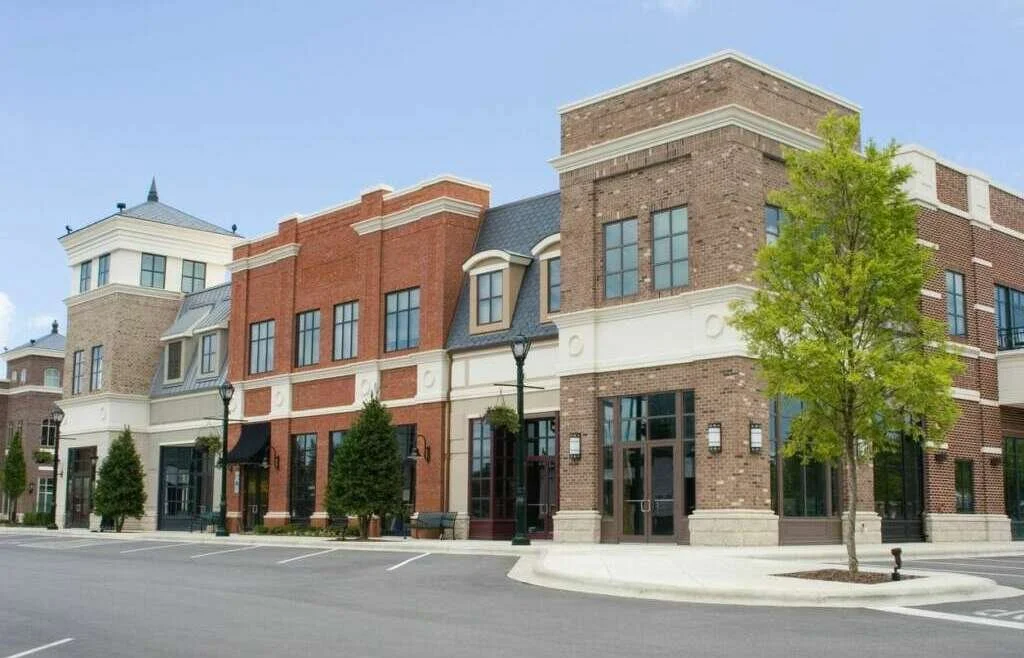
One of the most common uses for commercial land is retail development. This includes strip malls, shopping plazas, grocery stores, and standalone retail buildings.
Retail locations perform best in high-traffic areas such as busy roads, residential neighborhoods, and city centers. Businesses rely on visibility and foot traffic to attract customers.
Retail land can provide steady rental income from multiple tenants. As the surrounding area grows, the value of retail property often increases.
Office Buildings and Business Spaces
Commercial land is widely used for office buildings and business parks. These properties serve companies such as law firms, medical clinics, technology offices, and coworking spaces.
Office developments are popular in downtown areas and suburban business districts. Many office tenants sign long-term leases, which creates stable cash flow for property owners.
Well-located office properties can maintain high occupancy rates and strong demand.
Industrial and Warehouse Use
Industrial development is another major use for commercial land. This includes warehouses, factories, distribution centers, and logistics hubs.
With the growth of online shopping and global shipping, demand for warehouse space continues to rise. Locations near highways, ports, railways, and airports are especially valuable.
Industrial properties often have lower maintenance costs and long-term tenants, making them attractive for investors seeking consistent returns.
Restaurants and Food Service Properties
Many commercial lots are used for restaurants, fast food chains, cafes, and drive-through businesses.
Successful restaurant locations are usually placed near offices, shopping areas, schools, and major roads. Good parking access and high visibility are also important.
Food service businesses are willing to pay premium rent for prime locations with strong customer traffic.
Hotels and Hospitality Development
Commercial land is commonly used for hotels, motels, resorts, and event venues. These properties are usually built near airports, tourist attractions, highways, and downtown areas.
Hospitality properties can generate high revenue during travel seasons and special events. Although development costs may be higher, strong demand can lead to profitable long-term returns.
Mixed-Use Development
Mixed-use commercial land combines multiple property types in one location. For example, a building may include retail stores on the ground floor, offices above, and residential units on upper levels.
This type of development increases foot traffic and creates multiple income streams. Mixed-use projects are popular in growing cities and urban redevelopment areas.
They also help reduce risk by spreading income across different tenant types.
Parking Lots and Vehicle Storage
Some commercial land is used for parking operations, vehicle storage, and fleet yards. These properties are common near airports, stadiums, business districts, and event centers.
Parking lots require lower construction costs compared to large buildings. They can also generate daily cash flow and remain flexible for future redevelopment.
Agricultural and Commercial Farming Use
In certain regions, commercial land supports agribusiness operations such as greenhouses, food processing centers, equipment storage, and wholesale farming facilities.
This type of land use is common near rural areas and transportation routes. Agricultural commercial land supports food supply chains and local economies.
Land Banking for Future Development
Some investors buy commercial land and hold it for future growth. This strategy is known as land banking.
Land banking works best in expanding cities and developing areas. As population growth and infrastructure improve, land values often rise. Investors can later sell the land or develop it for higher profits.
Important Factors That Affect Commercial Land Use
Before choosing how to use commercial land, consider these key factors:
Local zoning and land use rules
Road access and traffic volume
Utility availability such as water and electricity
Market demand and business growth
Nearby competition and development trends
These factors play a major role in determining the success of any commercial land project.
Conclusion
Commercial land offers many profitable opportunities for investors and business owners. Whether you develop retail centers, office buildings, warehouses, restaurants, or mixed-use projects, each option provides unique benefits.
By choosing the right location, understanding zoning laws, and studying market demand, you can maximize the value of your commercial land investment. With proper planning and smart development, commercial land can deliver steady income and strong long-term returns.