Creative and Practical Uses for Vacant Land
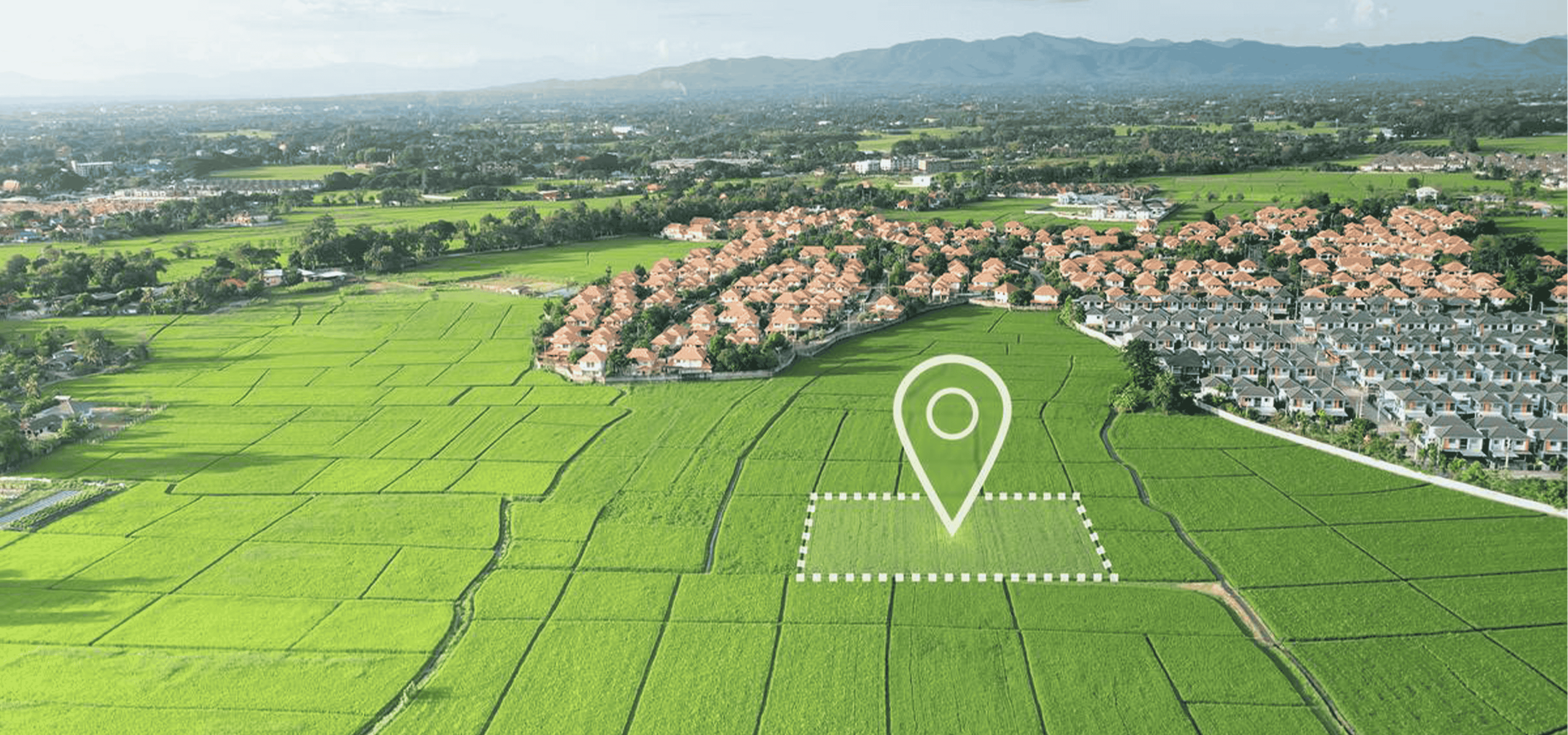
Vacant land may look empty, but it offers many opportunities. Whether your property is in a city, suburb, or rural area, unused land can be turned into income, long-term investment value, or community space. Knowing the best uses for vacant land helps you make smart decisions and avoid leaving money on the table.
Below are practical and profitable ways to use vacant land.
Residential Development
One of the most common uses for vacant land is building homes. You can construct a single-family house, duplex, or multi-unit building if zoning laws allow it. In areas with growing populations, housing demand is often strong.
If you do not want to build yourself, you can sell the land to developers or work with builders through partnerships. Another option is dividing large land parcels into smaller lots and selling them separately.
Farming and Agricultural Use
Vacant land in rural or semi-rural areas is often suitable for farming. You can grow crops, raise animals, or plant fruit trees. If you do not want to manage a farm, leasing your land to local farmers provides steady rental income.
Other agricultural uses include organic farming, community gardens, greenhouse operations, and beekeeping. These options can bring profit while keeping land productive.
Commercial Development
Vacant land located near busy roads or city centers is ideal for commercial use. Businesses look for land to build retail stores, offices, warehouses, and service buildings.
You can also lease land to companies for temporary business operations such as storage yards, mobile offices, or seasonal sales lots. Commercial land often generates higher income compared to residential uses.
Parking and Vehicle Storage
In urban areas, parking is always in demand. Turning vacant land into a paid parking lot can be a simple and low-cost business. This works well near offices, shopping areas, schools, and event venues.
Vacant land can also be used for RV storage, boat storage, trailer storage, and equipment parking. These uses require minimal construction and offer consistent monthly income.
Recreational Uses
Vacant land can be developed for recreation and outdoor activities. Popular options include:
Campgrounds and RV parks
Sports fields and training areas
Outdoor event spaces
Hiking and nature trails
Hunting or fishing leases
Recreational land use is popular in rural and tourist areas. It allows landowners to earn income while preserving natural features.
Renewable Energy Projects
Renewable energy is becoming a popular use for vacant land. Solar farms and wind energy projects need open space and good environmental conditions. Energy companies often lease land from property owners instead of purchasing it.
This option provides long-term lease income and requires little maintenance once the project is running. It also supports clean energy and environmental sustainability.
Land Banking for Future Investment
Some landowners hold vacant land as a long-term investment. This strategy is called land banking. It involves buying land in areas expected to grow in the future.
As nearby development increases, property values usually rise. New roads, utilities, schools, and businesses make vacant land more valuable. While this option takes patience, it can produce strong profits over time.
Temporary and Short-Term Uses
If you are not ready for permanent development, temporary uses can still generate income. Examples include:
Food truck parking areas
Pop-up markets and festivals
Billboard advertising space
Equipment staging areas
Seasonal event parking
These short-term uses allow flexibility while you plan future development.
Conservation and Environmental Use
Some property owners use vacant land for conservation purposes. This may include wildlife protection, tree planting, or natural habitat preservation. In some cases, conservation programs offer tax benefits or financial incentives.
This option works well for landowners who want to protect nature while maintaining property ownership.
Important Factors to Consider
Before choosing how to use vacant land, review these key factors:
Zoning and land use laws
Access to utilities such as water and electricity
Road access and transportation
Environmental restrictions
Market demand in the area
Development and maintenance costs
Checking local regulations and working with professionals can help you avoid legal and financial issues.
Conclusion
Vacant land offers many valuable opportunities, from residential development and farming to renewable energy and commercial projects. The best use depends on your location, budget, and long-term goals. With proper planning and research, vacant land can become a profitable asset instead of sitting unused. Making smart choices today can lead to strong returns in the future.