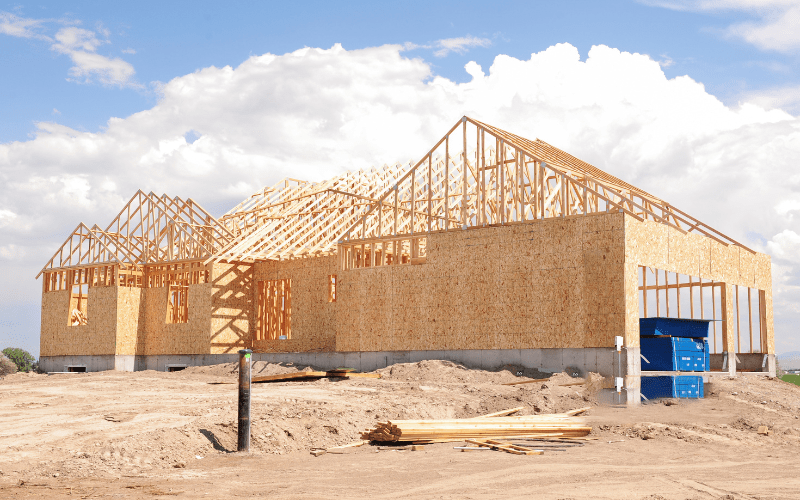
How to Develop Land for a House: A Step-by-Step Guide
Developing land for a house means preparing raw or vacant land so it is ready for construction. This process includes checking zoning rules, connecting utilities, clearing the land, and getting building permits. When done correctly, land development helps prevent legal problems, construction delays, and extra costs.
If you are planning to build a home, understanding how land development works will make the project smoother and more affordable.
Check Zoning and Local Building Rules
Before you develop land, confirm that the property is approved for residential use. Zoning laws control what type of structures can be built and how large the house can be.
Contact your local planning office or visit their website to review zoning maps and building codes. Some areas limit building height, home size, or distance from property lines. Knowing these rules early will help you avoid expensive changes later.
Get a Land Survey and Soil Test
A land survey shows the exact property boundaries and identifies easements or access points. This helps avoid disputes with neighbors and ensures the house is built in the correct location.
A soil test checks how well the ground drains water. This is very important if you plan to install a septic system. Poor soil conditions may require extra drainage work or foundation support.
Plan Utility Connections
Every home needs electricity, water, sewer or septic, gas, and internet access. Before development begins, find out how these services will connect to the property.
In rural areas, you may need a private well and septic system. In cities, you may connect to public utilities. Utility companies can provide cost estimates and installation timelines. Planning this step early helps avoid delays.
Create a Site Plan
A site plan shows where the house, driveway, utilities, and drainage systems will be placed. Local building departments usually require this plan before issuing permits.
The site plan should consider land slope, road access, sunlight, and water drainage. A good layout improves safety, energy efficiency, and long-term property value.
Apply for Permits and Approvals
You must get permits before starting land development or construction. Common permits include grading permits, building permits, septic permits, and utility connection approvals.
Submit your site plan and construction drawings to the local building office. Approval times vary by location. Starting this process early helps keep your project on schedule. Skipping permits can lead to fines and work stoppages.
Clear and Prepare the Land
Once permits are approved, the land can be cleared. This includes removing trees, brush, rocks, and debris.
Grading is done to level the land and improve drainage. Proper grading prevents water from pooling near the foundation and protects the structure from erosion and flooding.
Install Infrastructure and Utilities
After land preparation, utility lines and infrastructure are installed. This includes water lines, septic systems, sewer connections, electrical wiring, and gas lines.
Driveways and access roads may also be built during this stage. Inspections are required to make sure all systems meet safety and building standards.
Prepare the Foundation Area
Before building begins, the foundation area must be compacted and stabilized. This creates a strong base for the house.
Depending on soil conditions, additional work such as gravel layers, drainage pipes, or retaining walls may be needed. Proper foundation preparation helps prevent cracking and structural movement.
Manage Your Budget and Timeline
Land development costs include surveys, permits, utility connections, and earthwork. Create a budget and include extra funds for unexpected expenses.
The development timeline can range from a few months to over a year. Weather, permit approvals, and utility installation can affect the schedule. Staying organized helps avoid delays.
Work With Experienced Professionals
Working with professionals makes land development easier and safer. Surveyors, engineers, contractors, and builders can guide you through each step.
Experienced professionals help you follow local regulations and avoid costly mistakes. While hiring experts may cost more upfront, it often saves money over time.
Conclusion
Developing land for a house requires planning, permits, and proper site preparation. By following the right steps and working with qualified professionals, you can turn raw land into a ready building site.
Taking the time to develop your land correctly will protect your investment and make the home construction process smoother. With careful planning, land development can be a successful first step toward building your future home.