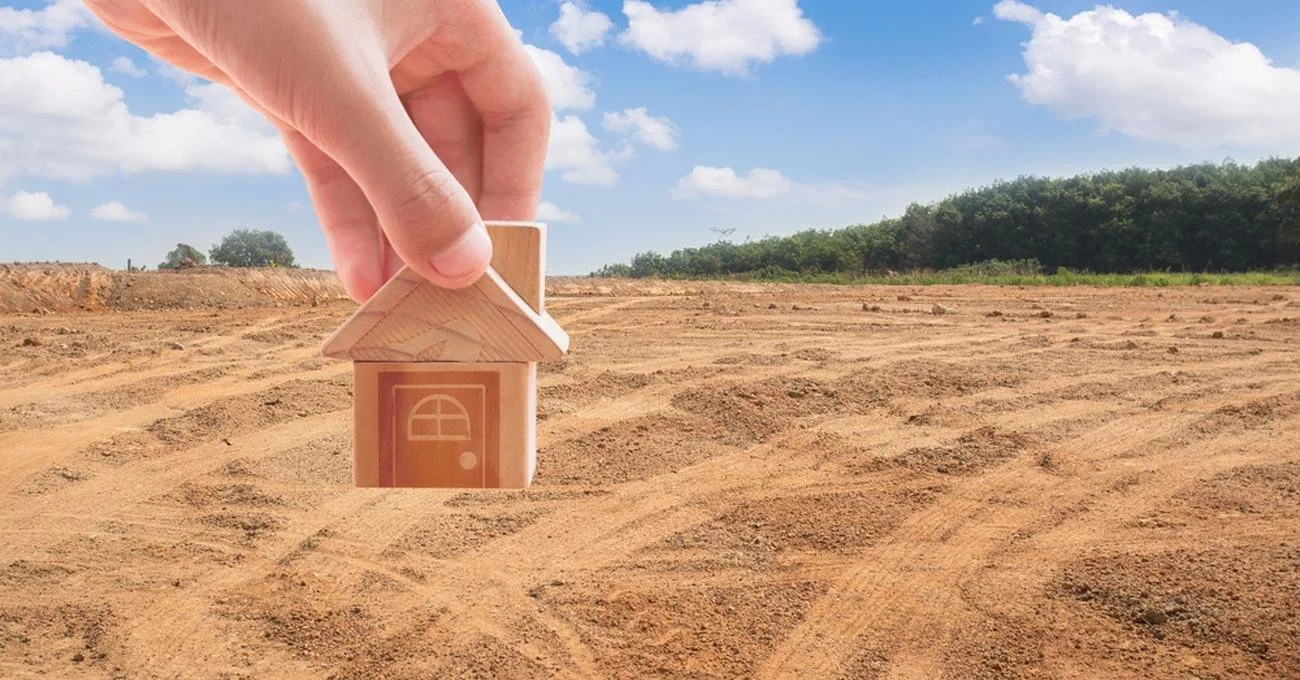
How to Develop Raw Land
Developing raw land can be a profitable project if you plan it correctly. Raw land is property that has no buildings, utilities, or roads. Because nothing is in place, you must take several steps before you can build or sell the land. This guide explains how to develop raw land using simple language and proven methods.
What Is Raw Land Development?
Raw land development is the process of turning empty land into usable property. This may include adding utilities, building access roads, preparing the soil, and constructing homes or commercial buildings. The goal is to increase the value of the land and make it ready for use.
Research Zoning and Local Rules
Start by checking zoning laws and land use rules. These rules control what you can build and how the land can be used. Some areas allow residential buildings, while others are limited to farming or commercial use.
Visit your local planning office or website to review building codes, permit requirements, and environmental restrictions. This step helps you avoid legal problems and unexpected costs.
Survey the Land and Test the Soil
A professional land survey shows exact property boundaries and identifies easements or access rights. This protects you from disputes with neighbors.
Soil testing is also important. A perc test checks if the land can support a septic system. Engineers may test soil strength to make sure it can hold building foundations. Poor soil conditions can increase development costs.
Create a Development Plan
A development plan outlines how the land will be used. It includes building locations, driveway access, drainage systems, and utility placement.
Working with an architect or civil engineer can help you design a layout that follows local rules and uses the land efficiently. A clear plan also makes it easier to get permits and financing.
Set a Budget and Secure Financing
Developing raw land involves more than the purchase price. You must budget for permits, surveys, grading, utility connections, and labor.
Many banks see raw land as a higher risk investment. You may need a land loan or construction loan. Always keep extra funds available to handle unexpected expenses.
Apply for Permits and Approvals
Most land development projects require permits. These may include zoning permits, environmental approvals, and building permits.
Submit your plans early and respond quickly to any revision requests. Approval timelines vary by location, so plan for possible delays.
Prepare the Land
Land preparation includes clearing trees, removing debris, grading the surface, and leveling the soil. You may also need to install drainage systems to prevent flooding.
Proper site preparation creates a strong foundation and reduces future maintenance problems.
Install Utilities and Infrastructure
Raw land usually does not have basic services. You will need to arrange water, electricity, sewage, gas, and internet connections.
If public utilities are not available, you may need a private well, septic system, or solar power setup. All installations must meet safety and building standards.
Start Construction or Property Improvements
Once utilities are in place, you can begin building homes, commercial structures, or other improvements. This may also include adding fencing, driveways, parking areas, and landscaping.
Hire licensed contractors and inspect work regularly. Staying on schedule helps control costs and avoid delays.
Complete Inspections and Final Approvals
Local authorities will inspect your project at different stages. These inspections check electrical systems, plumbing, foundations, and overall safety.
After passing all inspections, you will receive final approvals or certificates of occupancy. These documents confirm the property is ready for use or sale.
Sell or Maintain the Developed Land
After development is complete, you can sell the property, rent it, or keep it for personal use. If selling, professional photos and online listings can help attract buyers.
If you keep the property, schedule regular maintenance. This protects your investment and keeps the land in good condition.
Common Challenges in Raw Land Development
Developing raw land often comes with challenges such as permit delays, weather issues, and rising material costs. Good planning and clear communication with contractors can help reduce problems.
Conclusion
Learning how to develop raw land takes time and careful planning. By researching local rules, preparing the site properly, installing utilities, and managing construction wisely, you can turn undeveloped land into valuable property. With the right strategy and budget, raw land development can be a strong long-term investment.