How to Sell Vacant Land That is Landlocked
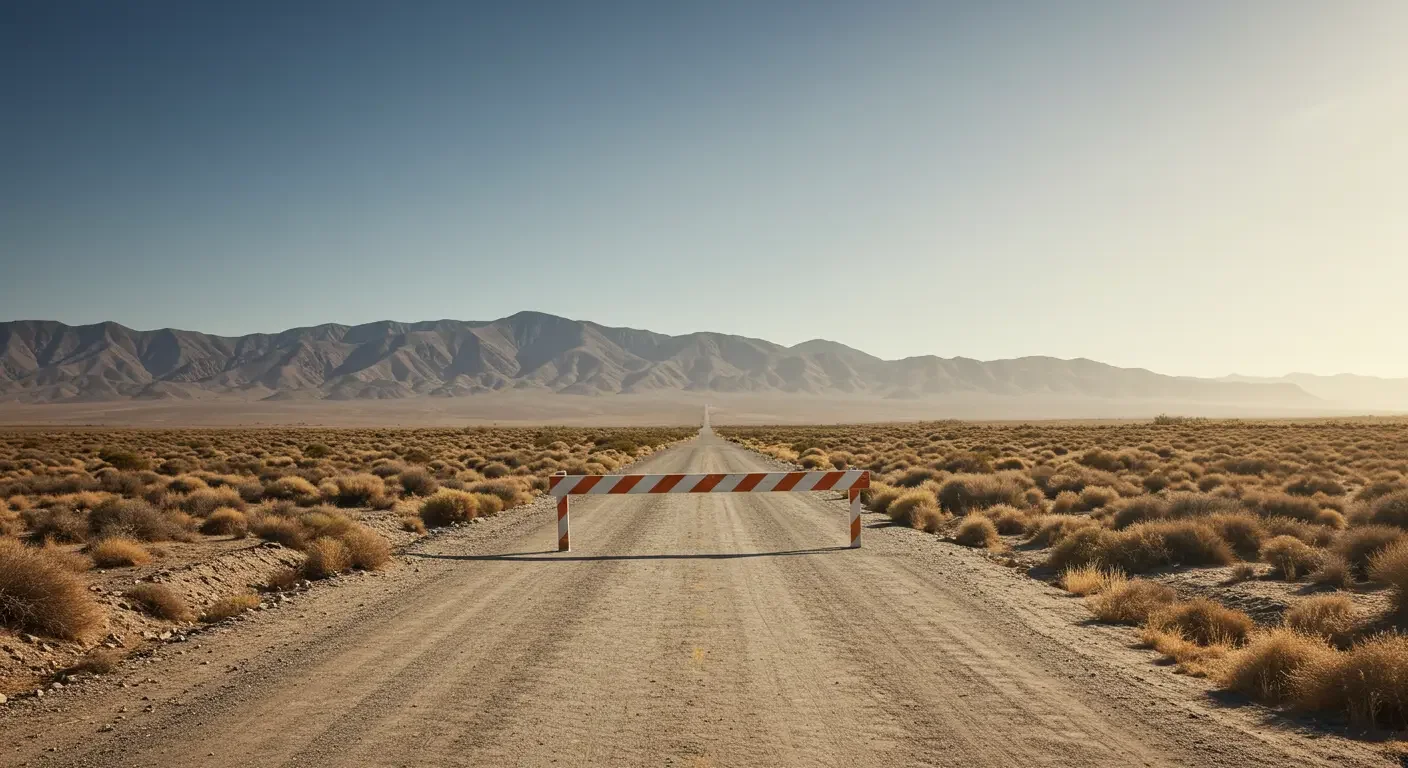
Selling vacant land can be difficult, but selling landlocked property can feel even more challenging. Landlocked land is a piece of property that does not have direct access to a public road. This means buyers cannot legally reach the land without crossing someone else’s property. While this problem can lower the value and reduce buyer interest, landlocked property can still be sold with the right strategy.
This guide explains how to sell landlocked vacant land, what challenges to expect, and how to attract the right buyers.
What Is Landlocked Property?
Landlocked property is land that does not connect to a public street or highway. The only way to reach it is by passing through a neighboring property. Without legal access, buyers may face problems using the land for building, farming, or recreation.
Because of this issue, many banks will not provide loans for landlocked property. Most buyers must pay cash, which makes the market smaller. Understanding this helps you prepare a better selling plan.
Check If an Easement Already Exists
Before selling your land, check if there is already a legal easement. An easement is a written agreement that allows access across another person’s land.
You can look for easements in:
Your property deed
County property records
Title reports
Land surveys
If an easement exists and is recorded, this is a big advantage. Buyers feel more confident when they know access is legally protected.
Try to Get Legal Access
If your property does not have an easement, you may want to negotiate with nearby landowners. You can offer payment or agree on shared road use in exchange for access.
Common easement types include:
Driveway or road access easement
Utility easement
Walking or recreational access
Although this process may take time and legal help, gaining legal access can increase your land’s value and make it easier to sell.
Price Your Land Realistically
Landlocked land usually sells for less than similar land with road access. Buyers expect a lower price because of the added difficulty and risk.
Research recent land sales in your area and compare similar lot sizes and locations. Adjust your price to reflect the access issue. Setting a realistic price from the beginning can help your land sell faster.
Focus on the Right Buyers
Some buyers avoid landlocked property, but others see it as an opportunity. Targeting the right audience can make a big difference.
Good buyers include:
Neighboring property owners
Hunters and outdoor recreation buyers
Land investors
Timber and agricultural buyers
Contacting nearby landowners is often effective. They already have access and may want to expand their property.
Be Honest in Your Listing
Always be clear about the landlocked status of your property. Hiding access problems can lead to legal trouble and failed deals.
Your listing should include:
Whether an easement exists
How the land is currently accessed
Distance to the nearest public road
Possible access solutions
Honest listings attract serious buyers and save time.
Highlight the Property’s Best Features
Even landlocked land can have strong selling points. Focus on what makes your land valuable and attractive.
You can highlight:
Privacy and quiet location
Scenic views
Wildlife and hunting potential
Timber value
Flat land for camping or recreation
Long-term investment potential
High-quality photos and clear descriptions help buyers understand the land’s true value.
Consider Selling to Cash Buyers
Since most lenders will not finance landlocked property, cash buyers are often the fastest solution. Land investors and property buying companies specialize in these types of sales.
Selling for cash usually offers:
Faster closing
No bank approval needed
Fewer delays
Simple paperwork
While the price may be lower than a traditional sale, the speed and convenience can be worth it.
Work With a Land Real Estate Expert
Not all real estate agents understand vacant land sales. Look for an agent who specializes in land or rural property.
A land agent can help with:
Correct pricing
Buyer marketing
Easement negotiations
Legal disclosures
Contract management
Their experience can help avoid mistakes and speed up the process.
Conclusion
Selling landlocked vacant land may take more effort than selling regular property, but it is possible with the right approach. By checking for easements, working toward legal access, pricing fairly, targeting the right buyers, and being transparent, you can improve your chances of a successful sale.
Whether you choose to sell to a neighbor, investor, or cash buyer, preparation is key. With a smart strategy and realistic expectations, even landlocked property can become a valuable opportunity.