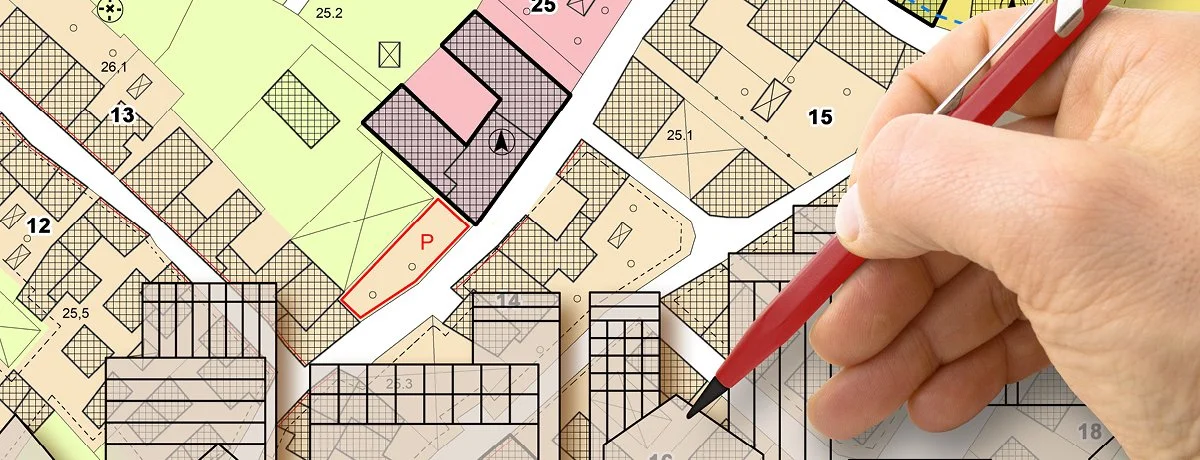
How Zoning Affects What Your Land is Worth
Zoning plays a major role in determining how much a piece of land is worth. Local governments use zoning laws to control how land can be used in different areas. These rules decide whether land can be used for homes, businesses, factories, agriculture, or mixed development. Because zoning determines what can legally be built on a property, it strongly influences land value.
For landowners, buyers, and investors, understanding zoning is essential when evaluating property value. The type of zoning assigned to a property affects its development potential, the types of buyers it attracts, and the price it can command in the market.
What Zoning Means in Real Estate
Zoning laws divide cities and towns into different zones or districts. Each zone has specific rules about how land can be used. Common zoning types include residential, commercial, industrial, and agricultural.
These rules help communities organize growth, reduce conflicts between different land uses, and maintain safety and infrastructure planning. For example, zoning keeps heavy industrial operations away from quiet residential neighborhoods.
From a property value perspective, zoning is important because it defines what a buyer can do with the land. A property that allows more profitable or flexible uses is often worth more than land with strict limitations.
Residential Zoning and Land Value
Residential zoning allows land to be used for housing. This may include single-family homes, townhouses, apartment buildings, or condominiums, depending on the specific zoning rules.
Land in residential zones often gains value when it is located near schools, parks, shopping areas, and transportation. These features make the property more attractive to homebuyers and developers.
However, residential zoning can also limit what can be built. Some areas only allow single-family homes and restrict multi-unit buildings. These restrictions may reduce the potential income a developer can earn from the land, which can affect how much the property is worth.
Still, residential land remains in high demand in growing cities and suburbs, which can help maintain strong property values.
Commercial Zoning and Higher Property Value
Commercial zoning allows businesses to operate on the land. This may include retail stores, office buildings, restaurants, hotels, and service businesses.
Land with commercial zoning often has higher value because businesses can generate income from the property. Locations with strong visibility, high traffic, and easy access tend to attract commercial buyers.
For example, land located near busy roads, shopping districts, or city centers can become very valuable when zoned for commercial use. Investors and developers may compete to buy these properties because of the potential for profitable business operations.
In many cases, land that is rezoned from residential to commercial becomes significantly more valuable.
Industrial Zoning and Strategic Locations
Industrial zoning is designed for factories, warehouses, manufacturing facilities, and distribution centers. While industrial land may not always reach the same prices as prime commercial property, it can still be very valuable in certain locations.
Land near highways, railways, shipping ports, or major transportation routes is often attractive for industrial development. Companies rely on efficient logistics to move goods, which increases demand for well-located industrial land.
Industrial zoning may increase the value of land in these strategic areas. However, it can also lower the value of nearby residential properties because of concerns about noise, traffic, and environmental impact.
Zoning Restrictions That Affect Land Value
Zoning laws do more than control land use. They also set rules for building height, lot size, building density, setbacks, and parking requirements. These regulations directly affect how much development can take place on a property.
For example, land that allows high-density housing or mixed-use buildings may be more valuable because developers can build more units or businesses on the property.
On the other hand, strict zoning restrictions can reduce development opportunities. If only one home can be built on a large parcel of land, the overall earning potential may be limited. This can lower the market value compared to land that allows larger or more flexible development.
Rezoning and Changes in Land Value
Rezoning happens when a local government changes the zoning classification of a property. This process can significantly affect land value.
If land is rezoned to allow commercial or higher-density development, its value may increase because it creates more opportunities for profit. Developers often watch for areas that may experience rezoning in the future.
However, zoning changes can also reduce value. If new regulations restrict development or reduce building density, the property may become less attractive to investors and builders.
Because of this, zoning decisions made by local governments can have a major influence on the real estate market.
Conclusion
Zoning is one of the most important factors that affects what your land is worth. By controlling how property can be used and developed, zoning laws directly shape land value.
Residential zoning supports housing development, commercial zoning creates opportunities for business growth, and industrial zoning supports manufacturing and logistics. At the same time, zoning restrictions and rezoning decisions can either increase or limit a property’s development potential.
For property owners, buyers, and investors, understanding zoning regulations is essential before buying or selling land. Reviewing local zoning rules can help determine the true value of a property and reveal opportunities for future development.