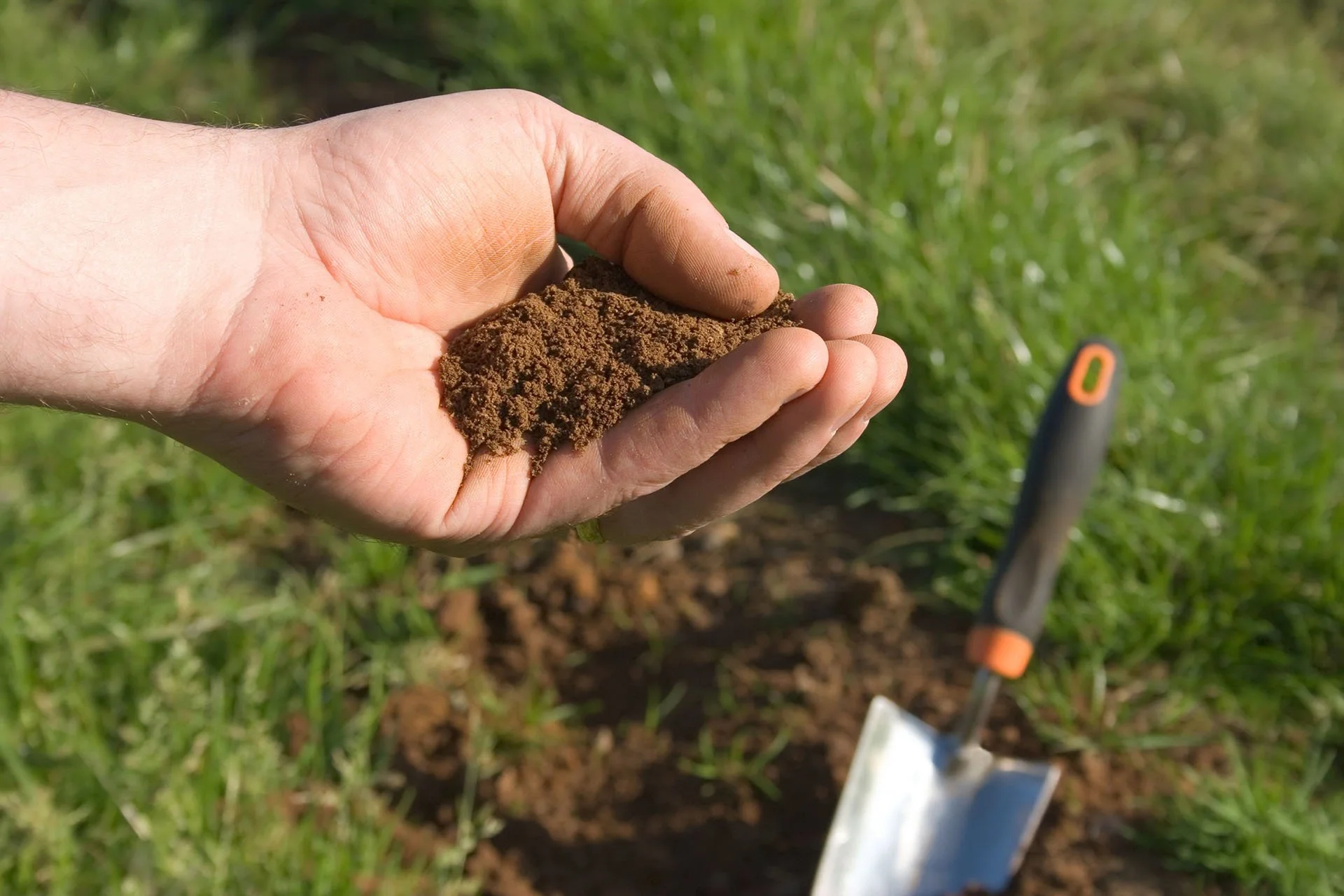
Why Soil Tests May Matter to Land Buyers
When buying land, many people focus on location, price, and size. However, what lies beneath the surface can be just as important as what you see above it. Soil conditions play a major role in how the land can be used. A soil test gives buyers important information about the property before they make a final decision.
Understanding the condition of the soil can help buyers avoid costly surprises and plan their future use of the land more effectively. For anyone planning to build, farm, or develop property, soil testing can be an important step in the land buying process.
What a Soil Test Can Tell You
A soil test analyzes the physical and chemical characteristics of the soil on a property. It helps determine factors such as nutrient levels, soil composition, drainage ability, and possible contamination.
These details may not be visible during a simple property visit. A piece of land may look dry and stable on the surface, but deeper soil layers may reveal problems that affect construction or land use.
For land buyers, soil testing provides valuable information that helps them better understand the property's condition and potential limitations.
Soil Tests and Building Plans
One of the most important reasons buyers perform soil tests is to determine if the land is suitable for construction. The type and stability of the soil directly affect how well a building foundation will perform.
Some soil types expand when wet and shrink when dry. This movement can lead to foundation cracks or structural problems over time. Other soils may be too loose to properly support heavy structures.
A soil test helps engineers and builders understand how the ground will behave. This allows them to design the right type of foundation or recommend site preparation if needed. Knowing this information early can help buyers plan their construction budget more accurately.
Septic System Requirements
Many rural properties do not have access to a public sewer system. In these areas, homes rely on septic systems to manage wastewater. Soil conditions are extremely important when determining whether a septic system can be installed.
A soil test, often called a percolation test, measures how quickly water moves through the soil. If the soil drains too slowly, wastewater may not filter properly. If it drains too quickly, the system may not treat the water effectively.
If the land cannot support a septic system, the buyer may face expensive alternatives or development limitations. Testing the soil before purchasing land can help avoid this type of problem.
Soil Quality for Farming and Gardening
For buyers interested in agriculture, soil quality is a major factor. Soil tests reveal the levels of nutrients, organic matter, and pH balance that affect plant growth.
Healthy soil supports crops, gardens, and pasture. Poor soil may still be usable, but it may require fertilizers, soil improvements, or other adjustments to increase productivity.
Understanding the soil condition allows buyers to estimate how much work may be needed to make the land suitable for farming or gardening.
Drainage and Water Management
Soil also affects how water moves across and through the land. Some soils hold too much water, which can lead to standing water, muddy areas, and possible flooding. Other soils drain very quickly, which can make it difficult for plants and vegetation to grow.
A soil test helps identify these drainage characteristics. This information can help buyers plan landscaping, drainage systems, or grading improvements if needed.
Good water management is important for both construction and long term land use. Knowing how the soil handles water helps buyers prepare for potential challenges.
Soil Testing and Property Value
Soil conditions can also influence the overall value of land. Properties with stable soil and good drainage are often easier to develop and may attract more buyers.
On the other hand, land that requires special construction techniques or major preparation may be worth less. A soil test gives buyers factual data that helps them understand whether the asking price reflects the property's true condition.
Having this information can also help during negotiations with sellers or when discussing development plans with contractors.
Avoiding Unexpected Expenses
One of the biggest advantages of soil testing is the ability to identify problems early. Without testing, soil related issues may not appear until construction or development begins.
At that stage, fixing the problem can become expensive. Costs may include soil stabilization, special foundations, drainage systems, or environmental cleanup.
By conducting soil tests before buying land, buyers gain a clearer understanding of potential costs and risks. This allows them to make more informed decisions about the property.
Conclusion
Soil testing is an important step that many land buyers overlook. While the surface of a property may look appealing, the soil beneath it can determine how the land can be used.
A soil test provides valuable information about construction suitability, septic system potential, drainage conditions, and agricultural quality. This knowledge helps buyers avoid unexpected problems and better understand the true value of the land.
For anyone planning to purchase property, taking the time to perform a soil test can lead to smarter decisions and a more successful land investment.